
Definition and context: what people mean by a constitutional republic
The term constitutional republic describes a form of government in which officials are elected and limited by a written or accepted constitution that defines powers and rights. In American history the phrase is used to emphasize both representative institutions and legal constraints on authority, and it helps frame discussions of the 1787 Convention and its outcomes.
The focus on a constitutional republic highlights two linked ideas: popular consent through elections and constitutional limits on government action. Many public-history treatments use that language to explain why short aphorisms from the founding era remain politically resonant today, and they connect such sayings to broader themes in scholarly writing about the Constitution National Constitution Center
Join Michael Carbonara's campaign
The article below points readers to major primary-source repositories and archival portals for further checking of original documents.
The reported remark: 'A republic, if you can keep it' - wording and early accounts
The concise wording “A republic, if you can keep it” is widely cited in reference works and public-history pieces as the line attributed to Benjamin Franklin when asked about the form of government produced by the Convention. That phrasing appears in modern summaries that treat it as a memorable reply rather than as part of the official journal Encyclopaedia Britannica
Secondary sources typically present the phrase as a pithy encapsulation of Franklin’s point rather than a verbatim transcript from inside the Convention. Writers caution that the quote survives in after-the-fact accounts and is best understood as an anecdote that captured a larger idea about civic responsibility National Constitution Center
Where and when the exchange reportedly happened: Mrs. Elizabeth Powel and September 17, 1787
According to longstanding tradition, the exchange took place as delegates were leaving Independence Hall on September 17, 1787, when Mrs. Elizabeth Powel asked Benjamin Franklin what sort of government the Convention had produced. Contemporary public-history summaries place the remark outside the formal proceedings, in a short exchange reported after the delegates departed Mount Vernon
The setting - Franklin speaking to a private visitor as delegates left Independence Hall-matters for how historians treat the line. It is framed as an informal comment, not a contribution to the Convention record, and that context is central when distinguishing anecdote from minute-level documentation.
Benjamin Franklin is traditionally reported to have replied, 'A republic, if you can keep it,' when asked about the government produced by the 1787 Convention; the line is widely cited in secondary sources but was recorded outside the Convention minutes and is treated as an anecdote that emphasizes civic responsibility.
Readers who rely on a single short quotation should consider where the remark was reported and whether later retellings condensed or paraphrased original wording.
Why the remark is not in the official record: minutes, Madison's notes, and documentary limits
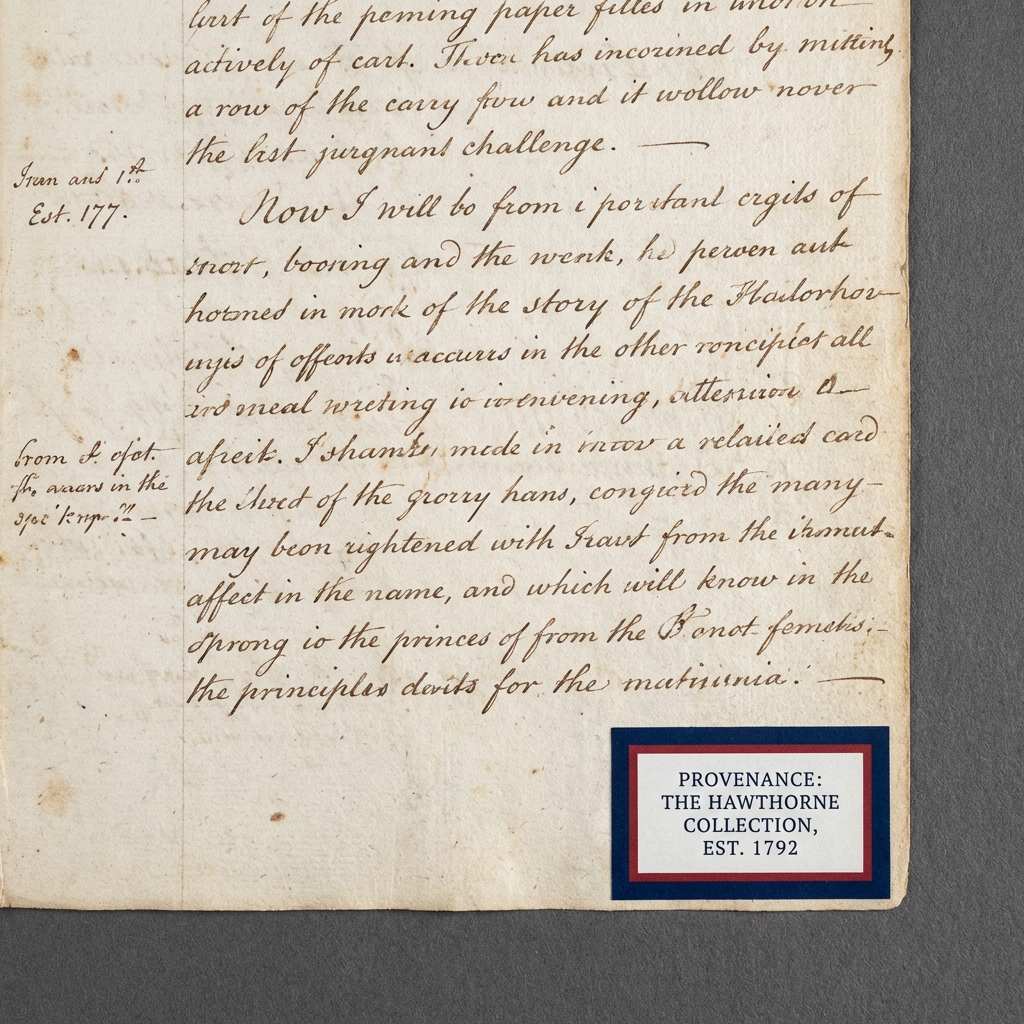
Madison’s notes capture much of the Convention’s internal debate, but they were not meant to preserve every informal conversation that followed sessions. Because the Franklin anecdote was reported after the fact and outside formal proceedings, it survives in the memory and transmission of observers rather than in the Convention journal.
Tracing the chain of transmission: primary sources and archival paths
Researchers who want to trace the earliest written notices of the anecdote typically start with manuscript collections and editorial compilations of correspondence and contemporary press. Major portals and guides direct readers to primary Franklin papers and to editorial notes that discuss provenance Founders Online and related editorial commentary Library of Congress blog
Archival work shows why uncertainties about wording persist: the anecdote was recorded outside the formal record, and editors often rely on later recollections and letters that circulated after the Convention. The editorial commentary in archival collections helps track who published which version and when, but gaps can remain.

How scholars interpret the remark: popular sovereignty, civic responsibility, and limits of power
Many scholars and public historians read Franklin’s reported remark as an expression of popular sovereignty and a warning that republican government must be actively supported by citizens. This interpretive framing emphasizes civic duty and the need for constitutional limits rather than offering a legal definition of a constitutional republic National Constitution Center
Interpretations differ in emphasis. Some writers stress the rhetorical function of a concise admonition that can be deployed in civic education, while others analyze how such lines reflect era-specific conversations about consent, authority, and the durability of new institutions.
Modern usage: how the phrase appears in public discourse and civic education
Educators, commentators, and public-history programs often invoke the phrase to prompt reflection about citizenship, rights, and institutional limits. In classrooms and museum settings it is used as a short vehicle to introduce the idea that republican government relies on both institutions and engaged citizens National Archives
Speakers and writers commonly pair the line with lessons about voting, civic participation, and constitutional constraint, while noting that the phrase is anecdotal and not a procedural rule of law.
Quick archive search checklist for primary sources
Use variant spellings and speaker names
Common misunderstandings and reporting pitfalls
A frequent error is to present the phrase as if it were recorded in the Convention minutes, rather than as a later-reported exchange; such treatment overstates documentary support and risks conflating anecdote with formal record. Reporters and writers should avoid implying the line is a transcript when it is not Library of Congress
Other pitfalls include omitting attribution to secondary sources, failing to note the setting of the exchange with Mrs. Powel, or using the phrase as if it established a legal principle about the Constitution rather than expressing an interpretive point about civic maintenance.
Where to find primary sources and archival documents
Primary documentary research begins with major repositories and searchable portals. For Franklin and related correspondence, Founders Online is a central starting point, and broader collections at the National Archives and the Library of Congress provide context and editorial notes for early publications Founders Online
When looking for manuscript evidence, search tips include using variant spellings, narrowing dates around September 1787, and consulting editorial apparatus in published collections that explain provenance and version differences.

A short comparative note: other pithy founding-era remarks
Pithy lines from the founding period often gain broad currency because they summarize complex debates in a memorable form. These short remarks are useful in teaching and public memory, but they tend to compress nuance and should be balanced with larger documentary evidence.
Readers should treat aphorisms as entry points to debate rather than substitutes for the full record, and they should check manuscripts and editorial notes when a single line is used as evidence for a larger historical claim.

Practical examples: sample neutral wording for journalists and educators
Here are model sentences reporters and educators can use when introducing the line while signaling uncertainty in provenance: “According to later accounts, Benjamin Franklin replied, ‘A republic, if you can keep it,’ when asked about the form of government produced by the Convention.” This phrasing attributes the line to later accounts instead of to official minutes National Constitution Center
Other safe models include: “Franklin reportedly told Mrs. Elizabeth Powel as delegates left Independence Hall that the Convention had produced ‘a republic, if you can keep it,’ a remark treated in secondary literature as an anecdotal admonition rather than a formal record.” These examples show how to use qualifying language and attribution.
A quick reporter's checklist for accuracy and context
Essential verification steps for journalists and educators include checking primary records in manuscript portals, citing reputable secondary sources when primary texts are ambiguous, using qualifying phrasing about anecdotal origin, and explaining the setting of the remark. This approach reduces the risk of misreporting and clarifies evidence limits Founders Online
An attribution template to use in copy is: “Reportedly, Benjamin Franklin told Mrs. Elizabeth Powel as delegates left the Constitutional Convention, ‘A republic, if you can keep it,’ a line preserved in later accounts rather than in the Convention minutes.” This supplies context and a clear signal about documentary support.
Sample citations and suggested further reading
For web and print citations, use repository links and editorial collections to show provenance; an example for a web citation is to reference Founders Online for Franklin papers and add editorial notes describing publication history Founders Online
For interpretation, reputable secondary sources include entries from the National Constitution Center and reference essays that summarize scholarly discussion. Pairing those secondary treatments with archival collections gives readers both interpretation and access to primary documents.
Conclusion: what the anecdote tells us about republican government
The short phrase attributed to Benjamin Franklin is a widely cited anecdote with limited support in the official Convention record. Scholars and public historians commonly treat it as a compact civic admonition about popular sovereignty and the maintenance of constitutional limits, rather than as a legal or doctrinal definition of a constitutional republic National Constitution Center
For readers who want to verify wording and provenance, the major archival portals and editorial collections provide the best route to the surviving documentary traces and to editorial commentary about transmission and reliability. See the author about page for site context.
Historical accounts attribute the concise line to Franklin in an exchange with Mrs. Elizabeth Powel, but the remark was reported after the Convention and does not appear in the official minutes.
Primary-source portals such as Founders Online and archival guides at the National Archives and the Library of Congress are the best starting points for tracing correspondence and editorial notes about the anecdote.
Journalists should use qualifying language and cite reputable secondary sources or archival collections, noting that the line is an anecdote reported outside the Convention minutes.
References
- https://michaelcarbonara.com/constitutional-rights/
- https://constitutioncenter.org/blog/a-republic-if-you-can-keep-it
- https://www.britannica.com/biography/Benjamin-Franklin
- https://www.mountvernon.org/library/digitalhistory/digital-encyclopedia/article/constitutional-convention/
- https://www.nps.gov/articles/000/constitutionalconvention-september17.htm
- https://www.loc.gov/collections/continental-congress-and-constitutional-convention/about/
- https://founders.archives.gov/collections/Franklin
- https://michaelcarbonara.com/contact/
- https://www.archives.gov/education/lessons/constitution-day
- https://blogs.loc.gov/manuscripts/2022/01/a-republic-if-you-can-keep-it-elizabeth-willing-powel-benjamin-franklin-and-the-james-mchenry-journal/
- https://www.amphilsoc.org/blog/republic-if-you-can-keep-it
- https://michaelcarbonara.com/news/
- https://michaelcarbonara.com/about/